Delivered in under an hour
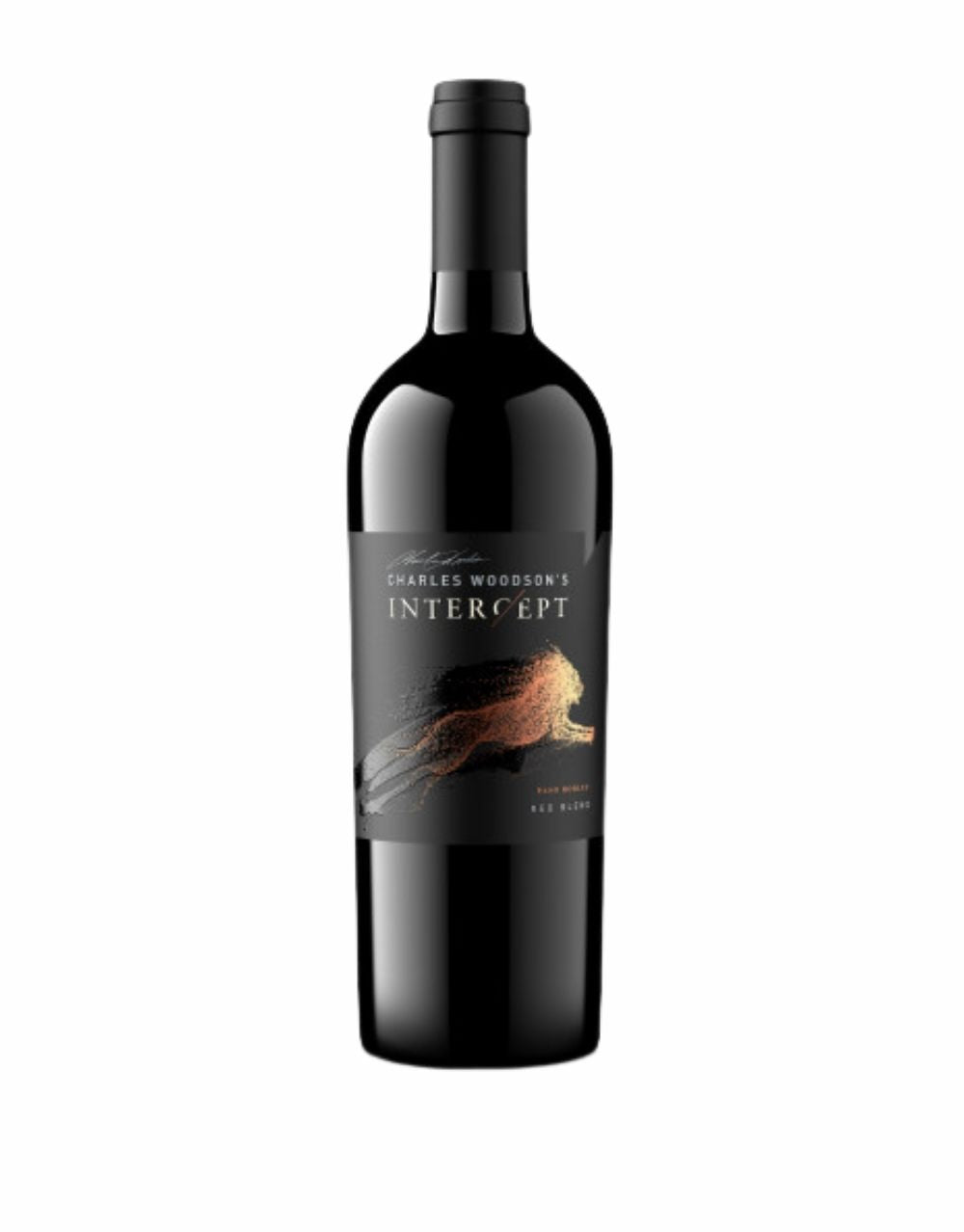
CLOS PEGASE
From $20.99
750 ML
See prices & delivery near you
Set your delivery address (top of the page) to see prices and delivery options near you.
Deep purple red in the glass. Upfront aromas of plums with a touch of licorice and anise. Full-bodied with plenty of depth, this merlot delivers copious dark fruit notes, blackcurrant, briar and plum with a juicy mouthfeel. Fresh acidity keeps the palate balanced and fresh. As the wine opens, more complex notes of bay leaf, clove and cedar begin to develop. All this is surrounded by _x005F_x005F_x005F_x005F_x005F_x005F_x005F_x001E_ne grain tannins that drive the _x005F_x005F_x005F_x005F_x005F_x005F_x005F_x001E_finish
WARNING: Drinking distilled spirits, beer, coolers, wine and other alcoholic beverages may increase cancer risk, and, during pregnancy, can cause birth defects. For more information go to www.P65Warnings.ca.gov/alcohol.
Tasting Notes Our 2019 Merlot is a beautiful deep purple in the glass. The nose is expressive with ripe red fruits and a touch of dried fennel. On the palate, the wine’s medium-bodied tannins complement the crisp acidity and savory undertones as big red fruit flavors dance across the palate. The wine has a strong, smooth finish with more red fruit and plum notes and a subtle hint of crushed graphite. Vineyard Notes Clos Pegase owns more than 400 acres of land in the Napa Valley, with 286 planted to grapes. The four vineyard sites are located in three distinct areas, ranging from the base of Mount St. Helena to the San Pablo Bay in Carneros. Purchased in 1989 as bare pasture, the property's planting began in 1991. With a diverse range of soil types, elevations and microclimates, different areas were initially selected to specialize in Chardonnay and Merlot. A pilot planting of Pinot Noir proved very successful, and over the years Pinot planting has expanded. Additionally there are small areas of Sauvignon Blanc, Cabernet Franc and Malbec. Winemaking Notes Leaving the picking decision until the last moment to gain as much flavor as possible, we hand and machine harvested all our merlot blocks in three consecutive days. Delivering the fruit to the winery in the early morning, the grapes were destemmed to tank, where the must was chilled for a period of three days. Following this cold soak, the tanks were allowed to gently warm and the must be inoculated. As the fermentation progressed, the tank was pumped over twice a day, allowing full extraction of tannins, flavor and color from the must. When the wine was dry, the must was pressed off and transferred to a combination of barrel and tank storage, where it underwent malolactic fermentation. After 12 months of aging, the wine was lightly filtered and bottled.

.png)